
When AI Listens: How Artificial Intelligence Is Changing Psychological Care
Artificial intelligence (AI) is no longer just a tool in tech labs. It’s becoming an integral part of daily life, encompassing healthcare, education, and, increasingly, mental healthcare. But what does this mean for psychological support? Does AI truly help, or does it just create the illusion of understanding? Artificial intelligence (AI) is no longer just a tool in tech labs. It’s becoming an integral part of daily life, encompassing healthcare, education, and, increasingly, mental healthcare. But what does this mean for psychological support? Does AI truly help, or does it just create the illusion of understanding?
We spoke with experts who actively use AI in their services.
Immediate Help: A New Kind of Accessibility
“More and more people turn to AI simply because it doesn’t judge them,” says Jakub Krchák, co-founder of Mama AI and CEO of TELMA AI. As a pioneer in applying AI to mental health, his goal is not to replace psychologists but to make support more accessible, especially where traditional help is limited.
An AI assistant can provide immediate support when someone feels lost; its abilities lie in
- responding immediately,
- recognizing signs of stress or burnout
- encouraging users to take the next step, such as consulting a professional.
In some cases, AI can serve as a bridge between a problem and a therapist. Krchák adds: “Research shows that AI can improve care quality. Accuracy, personalization, and accessibility are key to advancing mental health support.”
Psychologists’ Perspective: Helpful, But With Boundaries
Martina Mikesková, psychologist and psychotherapist, often uses AI in her practice.
“Clients often say they feel less embarrassed with AI. They open up more easily, and sometimes it’s their first step toward help,” she explains. However, she warns about limitations. “Imagine someone crying over a past trauma. What does the AI say? Nothing. Silence. The pain remains without human contact. In some cases, this can make things worse.”
According to Mikesková, AI should never replace human therapists in crises. Where empathy, physical presence, or safe guidance is needed, AI remains a tool, not a partner.
Where AI Works and Where It Doesn’t
AI can be effective for:
- everyday psychological support, such as providing advice, reminders, or techniques,
- tracking habits and emotions, supporting personal growth,
- preliminary assessment and recommending further care,
- serving as an intervision tool for psychotherapists to explore new perspectives
On the other hand, AI is not suitable for:
- working with trauma, depression, or addictions,
- diagnosis, prescribing medication, or conducting long-term therapy,
- crises (self-harm, loss, panic attacks).
Using AI in the Workplace
In the workplace, AI can offer real support — for example, through role-play scenarios, monitoring stressful moments, or automatically recommending relaxation techniques. However, according to Martina Mikesková, it is crucial to:
-
analyze the team’s needs,
-
avoid mandatory monitoring without proper context,
-
communicate openly about the fact that AI has its limits.
AI and Burnout Prevention
AI can detect early warning signs of stress or burnout when it has access to high-quality, long-term data. It can highlight behavioral patterns that people might overlook on their own.
Even so, a tool is only as effective as the person using it and their trust in it. AI should always be connected to professional support.
Key Takeaways
Mental health is complex and fragile. AI can play an important role, but it cannot replace humans. Empathy, touch, safe silence, and shared joy are things no AI can fully replicate. Trying AI can reduce fear of the unknown, and it is well-suited for experimentation.
“Technology can be a great partner. But decisions, change, and true care must always come from humans,” concludes Mikesková.
About the Authors:
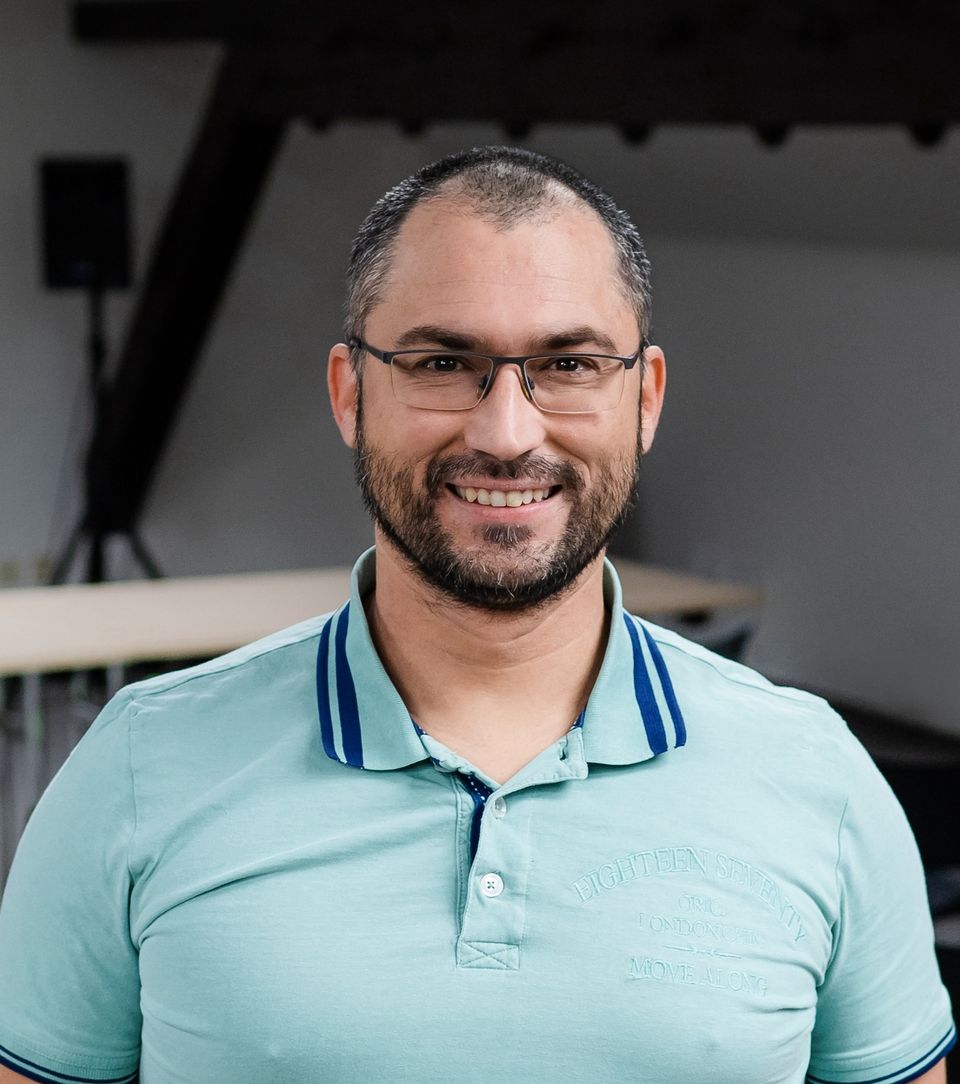
Mgr. Jakub Krchák
Jakub Krchák is a visionary in the fields of artificial intelligence and corporate leadership. As co-founder of MAMA AI, he leads the development of advanced conversational AI solutions that “speak” like humans and help companies transform communication, services, and team processes.

Mgr. Martina Mikesková
Martina is a psychologist, psychotherapist, and lecturer.
From 2014 to 2022, she worked in the field of child social and legal protection, conducting psychological assessments and preparing prospective adoptive parents. She collaborated with social services (OSPOD) and courts in handling divorces and the care of at-risk children. As a lecturer, she focuses on social service professionals and educators. She spent over five years teaching university and high school students. Since 2021, she has also been working at Soulmio, focusing on employee mental health prevention and intervention.